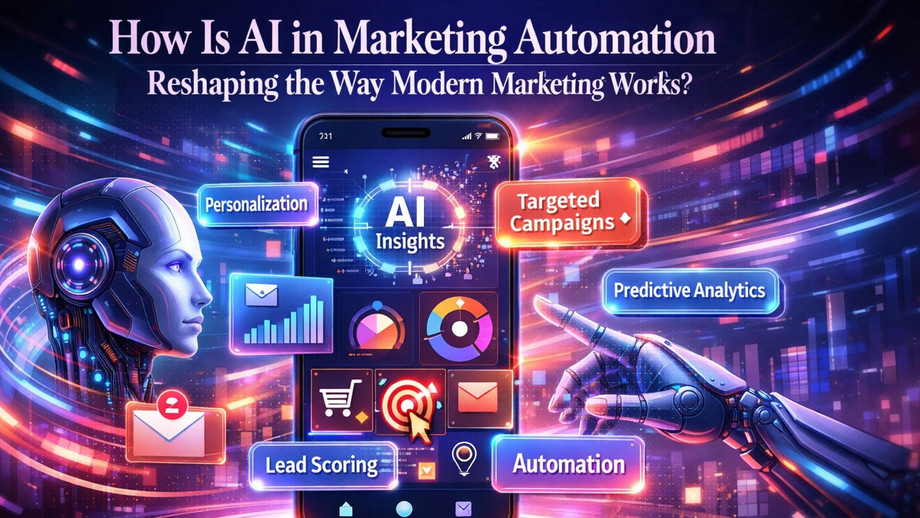
Have you ever wondered how brands seem to know exactly what you want, when you want it, and where you are most likely to engage? The short answer is this: modern marketing automation has become smarter, faster, and far more predictive. In simple terms, artificial intelligence allows marketing systems to learn from data, adapt to customer behavior, and deliver personalized experiences at scale. This means marketers no longer rely only on fixed rules or assumptions; they rely on patterns, predictions, and real-time decision-making.
At its core, AI in marketing automation helps businesses attract the right audience, communicate more effectively, and convert leads with less manual effort. It analyzes massive volumes of data, identifies trends humans might miss, and continuously improves campaign performance without constant intervention.
Marketing automation traditionally focused on scheduling emails, segmenting audiences, and triggering messages based on predefined actions. While useful, these systems followed static logic. Artificial intelligence changes this by introducing learning and adaptability.
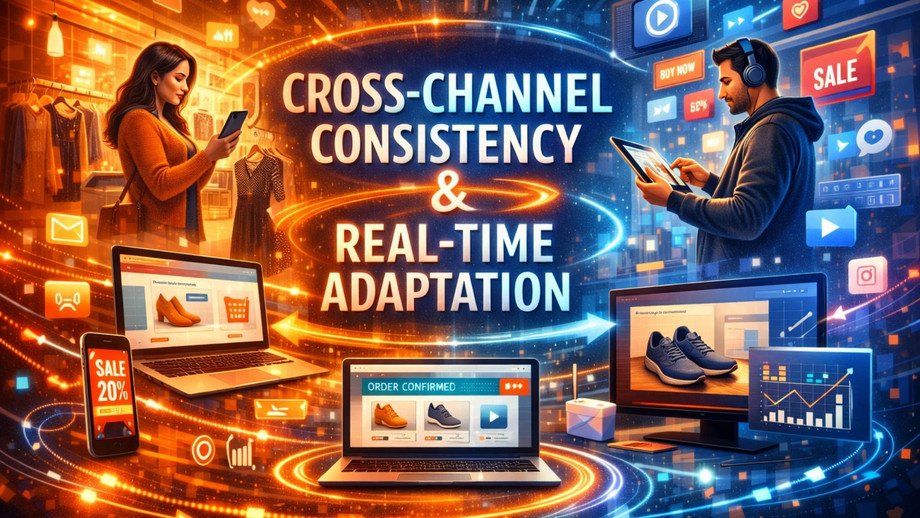
AI-powered systems evaluate customer behavior across channels, including websites, email interactions, search activity, and social engagement. Instead of simply reacting, they predict what a user is likely to do next. This shift turns automation from a support tool into a strategic decision engine that evolves with every interaction.
The biggest difference lies in responsiveness. AI-driven platforms dynamically adjust content, timing, and messaging, allowing campaigns to feel personal rather than automated.
Personalization used to mean adding a first name to an email. Today, it means delivering context-aware experiences that reflect individual intent. AI systems analyze behavior patterns such as browsing history, purchase frequency, and engagement timing to tailor messages that feel relevant.
For example, instead of sending the same promotion to every subscriber, AI as a service can analyze user behavior to identify which customers are price-sensitive, which prefer educational content, and which are ready to make a purchase. Each segment then receives messaging tailored to its specific stage in the customer journey. Over time, the system continuously refines its understanding, improving personalization accuracy without additional manual input.
This level of personalization increases engagement while reducing message fatigue, a common challenge in automated campaigns.
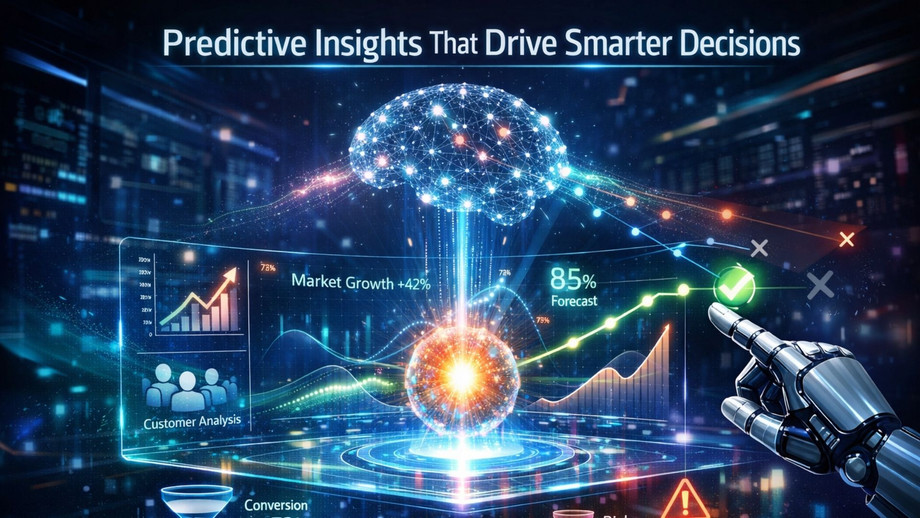
One of the most powerful contributions of artificial intelligence is prediction. By learning from historical data, AI forecasts future outcomes such as lead conversion probability, churn risk, or optimal contact times.
Marketers no longer need to guess which campaign will perform best. Predictive models highlight opportunities before they become obvious, enabling proactive decisions. This improves resource allocation, ensuring budgets and efforts are focused where they deliver the greatest impact.
Predictive insights also help align marketing with sales by prioritizing high-intent leads and improving overall funnel efficiency.
Creating effective content is often a trial-and-error process, but AI Studio reduces uncertainty by analyzing what works and why. It evaluates tone, length, format, and timing to determine which combinations generate the strongest responses. Instead of running endless A/B tests manually, it continuously tests variations and optimizes in real time. Subject lines, calls to action, and messaging frameworks evolve based on audience behavior, not assumptions. This allows marketers to focus on strategy and creativity while it handles performance optimization seamlessly behind the scenes.